How can you recognise this group?
They are usually square or rectangular. The background may be blue, white or depend on the road type and information conveyed.
How do they work on the road?
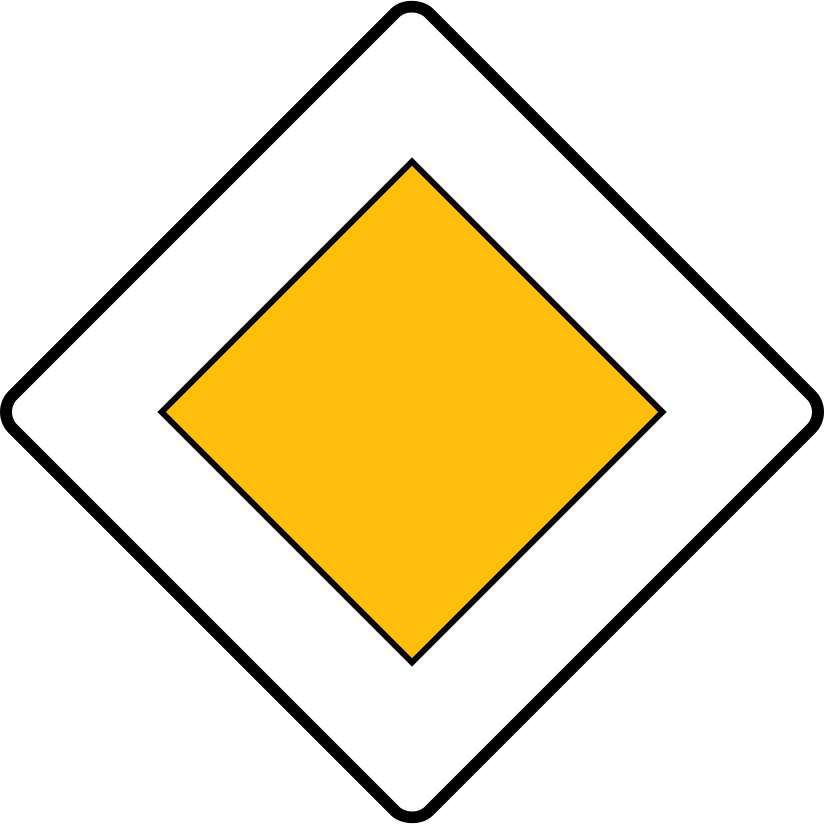
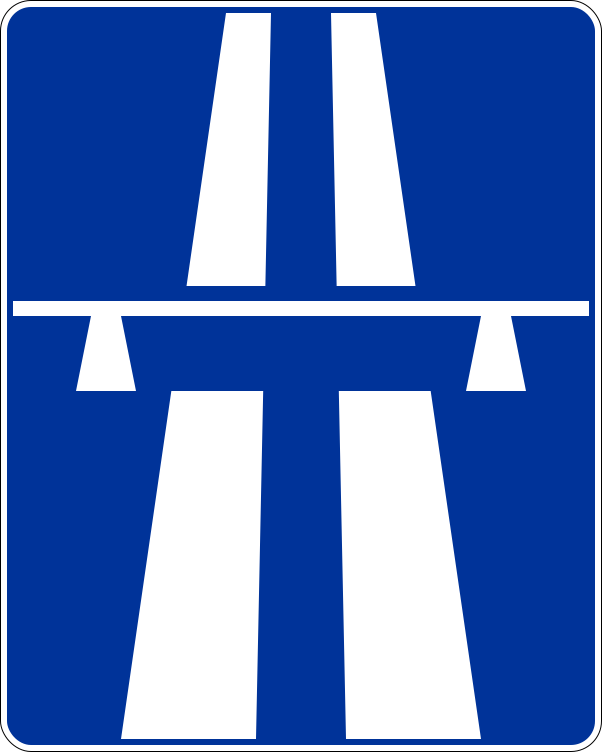
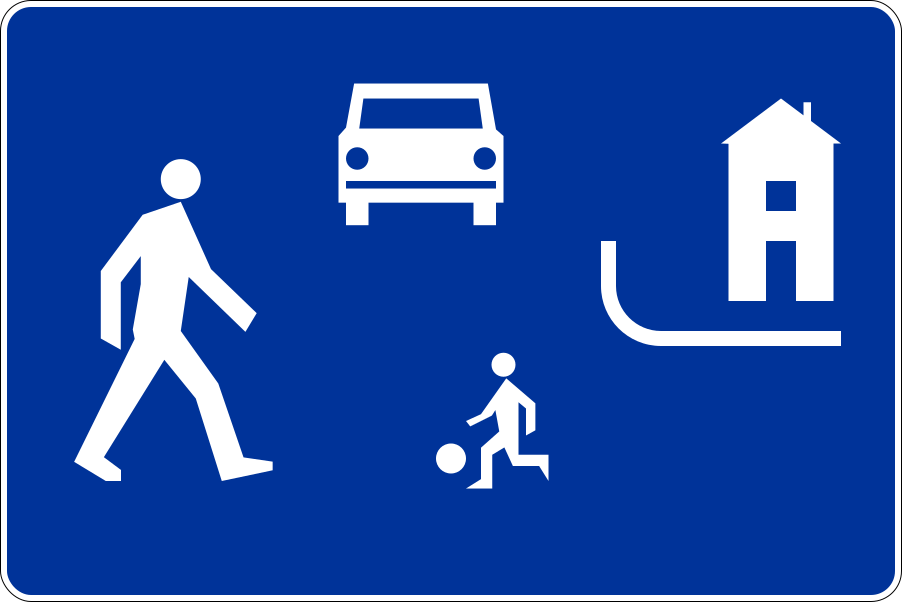
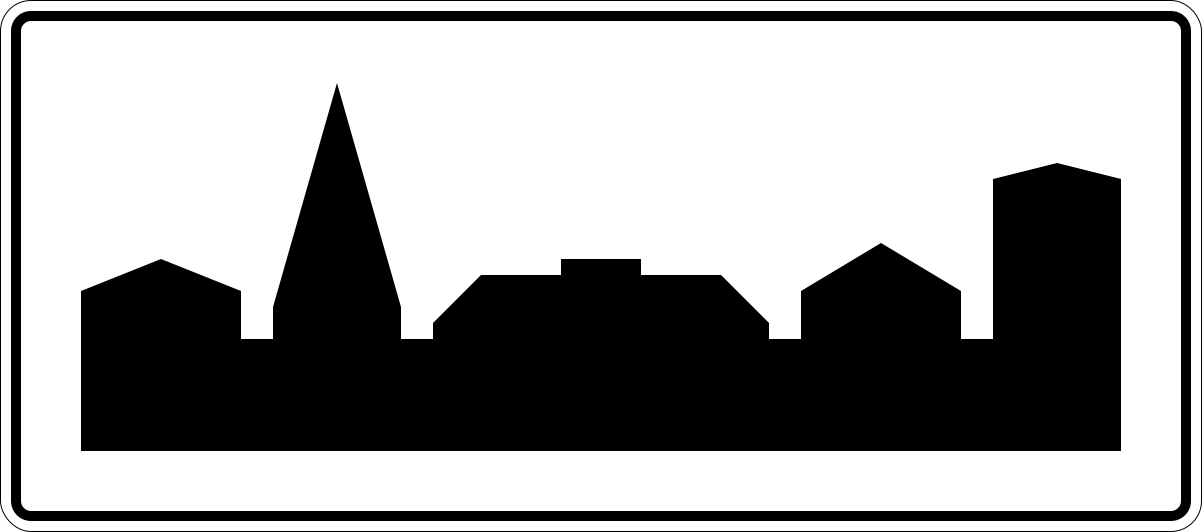
They are not merely directions. D-1 establishes priority, D-40 starts a residential zone, while motorway and expressway signs trigger separate rules.
- Connect the sign's name with the rules that apply after you pass it.
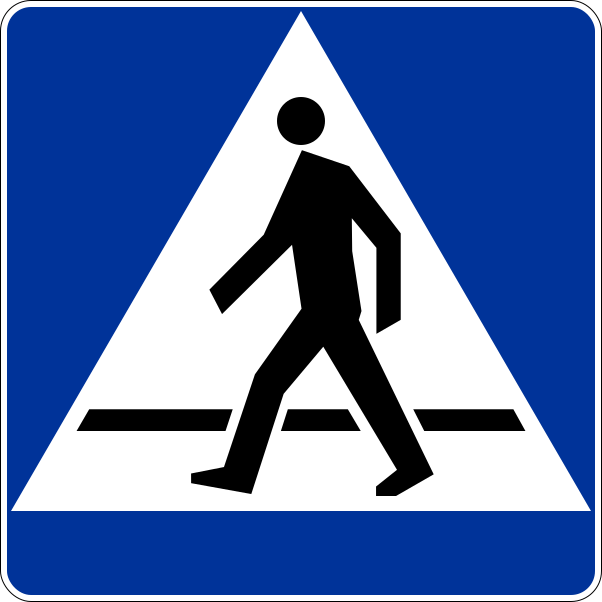
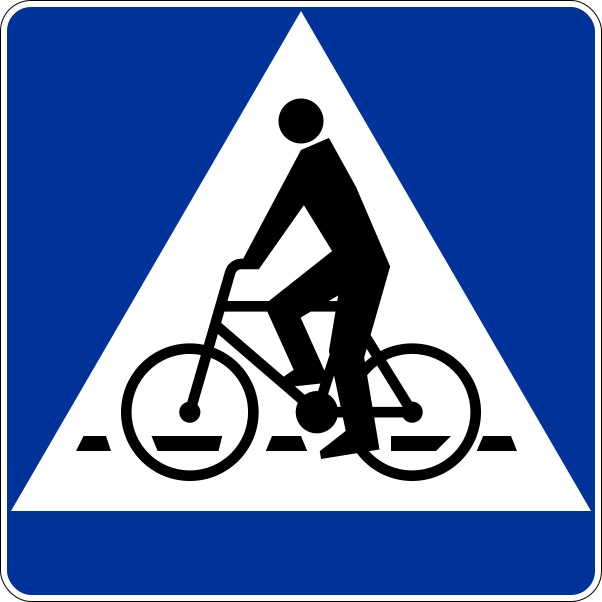
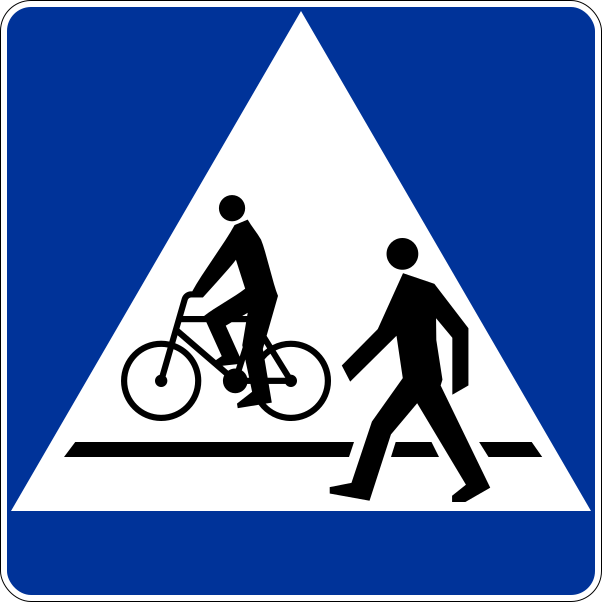
- Distinguish a pedestrian crossing, a cycle crossing and a combined sign.
- For zones, look for the end-of-zone sign rather than only the next junction.
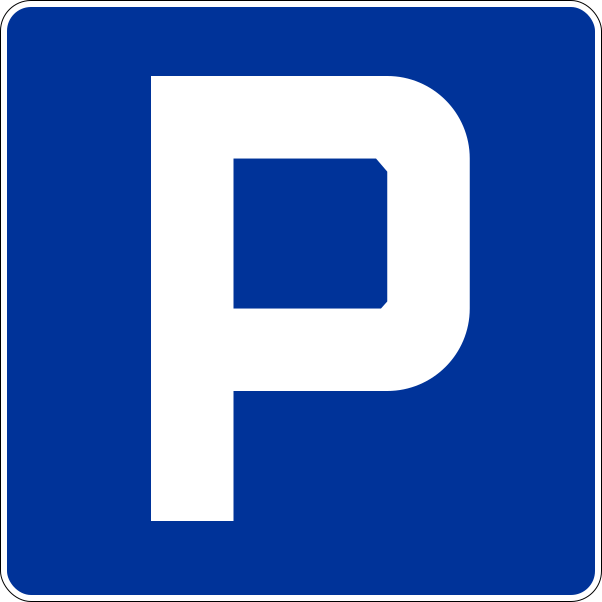
- Check plates specifying how a parking area or road may be used.
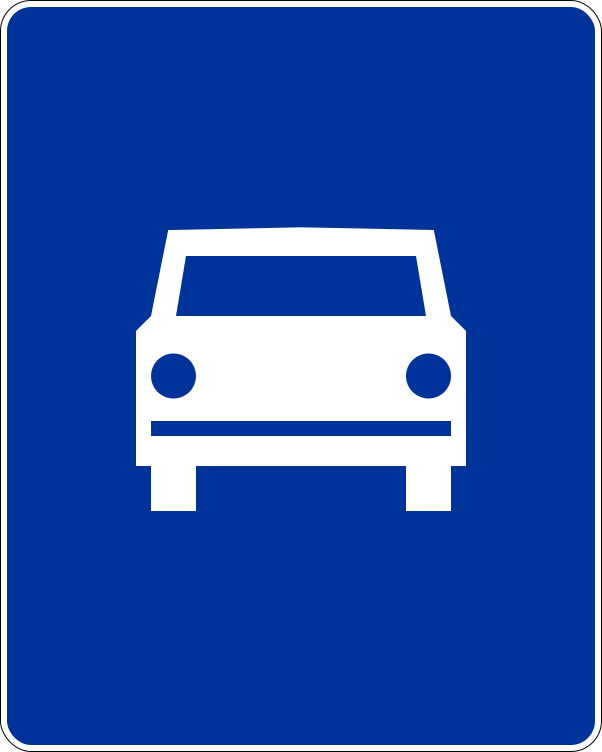
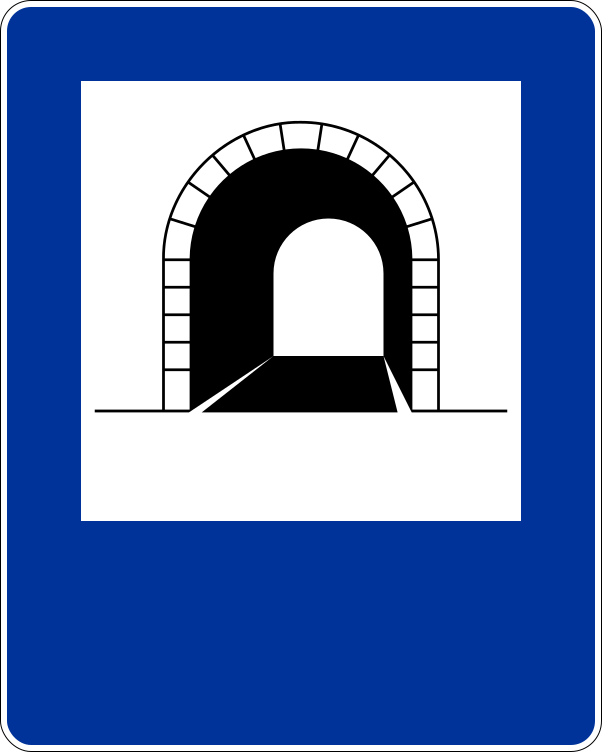
Examples — group D
Recognise the code and name, then connect the sign with the behaviour required in the specific traffic situation.
What should you watch for in the exam?
Legal basis for Polish road signs
The meaning and scope of road signs are defined by the Polish regulation on road signs and signals. This guide also includes changes effective from 19 February 2026; always check the current status of the act in ELI for legal matters.